
Infiniti Transmission Life Expectancy Breakdown!
Infiniti Transmission Life Expectancy Breakdown!
Posted on July 3, 2026
View Inventory View Gallery Contact Us
Transmission health is one of the most important factors in long-term vehicle reliability, especially in luxury vehicles where repair costs can rise quickly. In most Infiniti models, the transmission is designed to deliver smooth performance and durability, but its lifespan depends heavily on driving conditions, maintenance habits, and model-specific engineering.
Average Transmission Lifespan in Real Conditions
On average, a well-maintained Infiniti transmission can last between 120,000 and 200,000 miles. Some owners report even higher mileage when servicing is consistent, and driving habits are gentle, while others experience issues earlier—sometimes before 100,000 miles—when maintenance is neglected, or driving conditions are severe.
Models equipped with continuously variable transmissions (CVTs) tend to be more sensitive to heat and fluid degradation, while traditional automatic transmissions often show greater long-term resilience.
In Canada, especially in provinces like Ontario, where winter driving, stop-and-go traffic, and road salt exposure are common, transmission stress can increase significantly over time.
Key Factors That Affect Transmission Durability
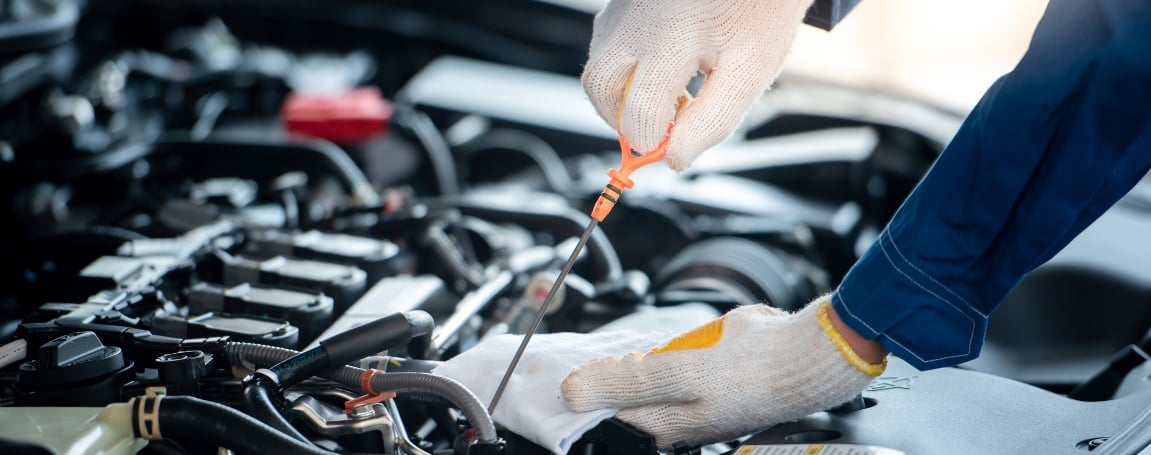
Several real-world factors determine how long the system will last:
Driving habits play the biggest role. Frequent hard acceleration, towing heavy loads, and aggressive shifting can shorten the lifespan significantly. Smooth driving at consistent speeds helps reduce internal wear.
Maintenance history is equally important. Regular fluid changes—typically every 50,000 to 70,000 miles depending on usage—help prevent overheating and internal friction damage.
Model variation also matters. Larger SUVs with higher torque output place more stress on transmission components compared to smaller sedans. Turbocharged engines, producing higher horsepower and torque, naturally increase load demand.
Climate conditions such as extreme cold in Ottawa winters or hot summer stop-and-go traffic can also affect fluid viscosity and long-term performance.
Common Warning Signs of Transmission Problems
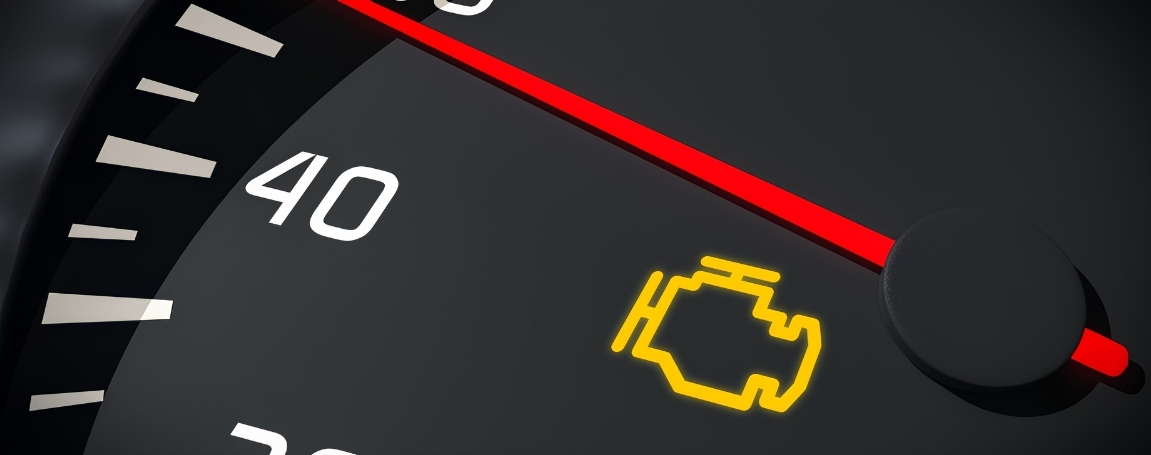
Early detection can prevent costly repairs. Drivers should watch for these symptoms:
- Delayed or rough gear shifting
- Slipping gears during acceleration
- Unusual whining or humming noises
- Burning smell from transmission fluid
- Sudden loss of acceleration response
- Dashboard warning lights or limp mode activation
When these signs appear, immediate inspection is recommended to avoid complete system failure.
Real-World Owner Experiences
Many owners report strong reliability when servicing schedules are followed closely. Routine fluid replacement and gentle driving often lead to trouble-free operation beyond 150,000 miles.
However, online discussions among owners also highlight that neglected service intervals, especially fluid overheating or contamination, are the most common reasons for premature failure. CVT-equipped models tend to receive mixed feedback due to their sensitivity under heavy loads or during aggressive driving.
Repair vs Replacement Costs in Canada
Transmission restoration costs can vary widely depending on damage severity:
- Minor repairs or sensor issues: moderate cost range
- Fluid replacement or flushing: relatively affordable preventive service
- Full rebuild: significantly higher investment
- Complete replacement: often the most expensive option, sometimes exceeding several thousand dollars in Canadian markets
In Ontario, labour rates and OEM parts pricing can further increase total costs, making preventive maintenance far more economical than major repairs.
How to Extend Transmission Life
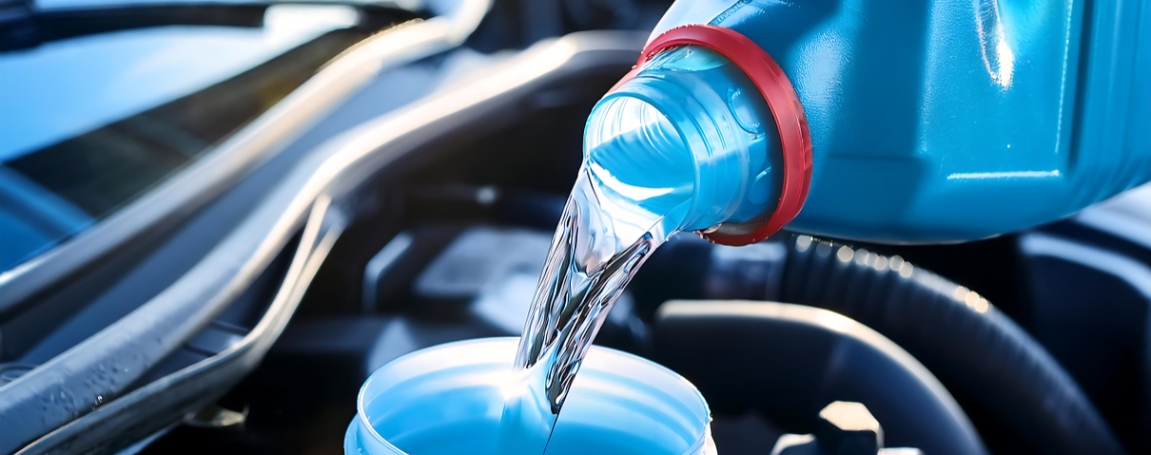
A few practical habits can dramatically improve longevity:
Regular fluid checks and timely servicing are essential. Allowing the vehicle to warm up during cold Canadian winters reduces early wear on internal components. Avoiding sudden acceleration and heavy towing when not necessary also helps maintain long-term stability.
Using manufacturer-recommended transmission fluid and ensuring software updates are applied (for adaptive transmission systems) can further improve performance consistency.
Even simple habits like avoiding long periods of idling in the drive or shifting into neutral at long stops can reduce unnecessary stress.
Performance Context: Why Load Matters
Infiniti vehicles often pair engines producing between 250 and 400+ horsepower and torque outputs exceeding 300 lb.ft, depending on the model. These performance levels are delivered through automatic or CVT transmissions designed for smooth acceleration.
While this enhances driving comfort and responsiveness, it also increases the mechanical demands on transmission systems, especially in AWD SUVs with larger wheels and higher curb weight. Combined with infotainment systems, digital displays, and advanced safety tech like intelligent cruise control and lane assist, the overall electrical and mechanical load is higher than in older generations of vehicles.
Cargo capacity in SUV models also affects stress levels, especially when fully loaded for long-distance travel or family trips on Ontario highways.
Explore More About Infiniti

Transmission longevity in Infiniti vehicles is generally strong when supported by consistent maintenance and responsible driving. Most failures are not sudden but develop gradually through warning signs that should never be ignored. With proper care, many vehicles comfortably exceed 150,000 miles without major transmission issues.
If you're in Ottawa and want expert guidance on maintaining performance, efficiency, and long-term reliability, Myers INFINITI can help you understand service schedules, diagnose early warning signs, and keep your vehicle performing at its best. Visit to explore models and get professional support tailored for Canadian driving conditions.
